A hybrid still has a combustion engine, but it lives a different life: frequent stop-start cycles, long periods off, and operation at optimised load points. Some wear mechanisms reduce; others get worse.
What improves
Brakes last far longer thanks to regeneration, and the engine avoids much of the high-load, low-speed running that damages conventional drivetrains. Atkinson-cycle petrol engines in full hybrids are generally durable and mechanically undemanding.
What gets worse
Repeated cold starts and short electric-only runs mean the engine may never reach full operating temperature on urban journeys. That allows condensation and fuel to accumulate in the oil, and it leaves the catalyst below light-off temperature more often than in a conventional car.
Practical maintenance points
- Do not extend oil intervals because mileage is low; time-based changes matter more here.
- Have the inverter and engine cooling circuits checked — hybrids have more than one, and the inverter loop is routinely forgotten.
- Keep the 12V auxiliary battery healthy; most hybrid no-start faults are the 12V system, not the traction pack.
- Fuel that sits for months degrades — plug-in hybrids used mainly on electric should run a tank through periodically.
Diagnosis is different
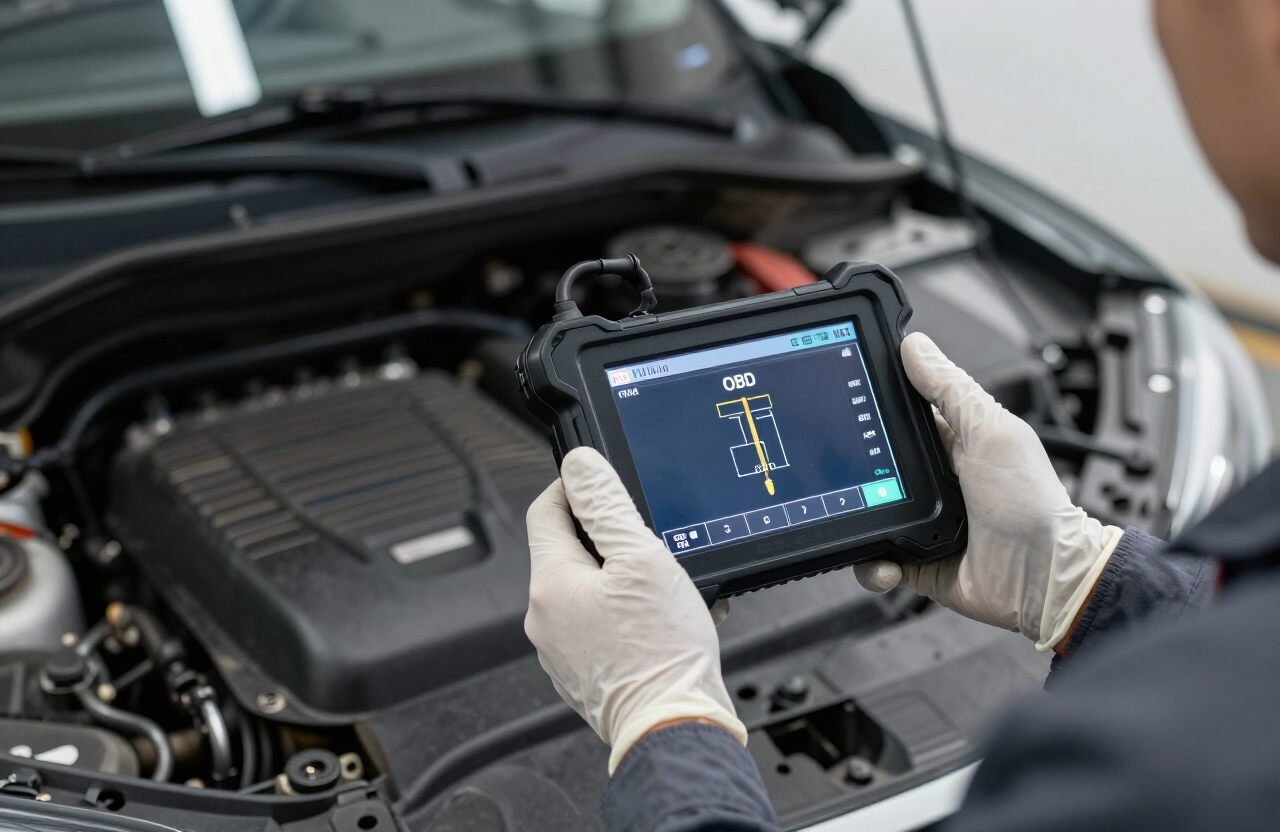
A hybrid engine that starts and stops on its own schedule complicates conventional testing. Technicians need to force the engine to run for compression and emissions work, which requires manufacturer-level diagnostic access. Check that a workshop has hybrid-qualified staff, since high-voltage systems require IMI Level 3 or equivalent for safe isolation.
Catalyst theft and shielding
Certain hybrids remain high-value targets for catalytic converter theft in the UK because their catalysts run cooler and retain more precious metal. A marking and shielding kit costs far less than a replacement assembly.

Written by
Adaeze Fowler CEng MIMechE
Technical reviewer, automotive engineer

Technically reviewed by
Gareth Mullen
Editor and IMI Master Technician (Level 4 Diagnostics)
This guidance is general. It does not replace inspection by a qualified technician on your vehicle. Read our editorial policy for how articles are researched, reviewed and updated.