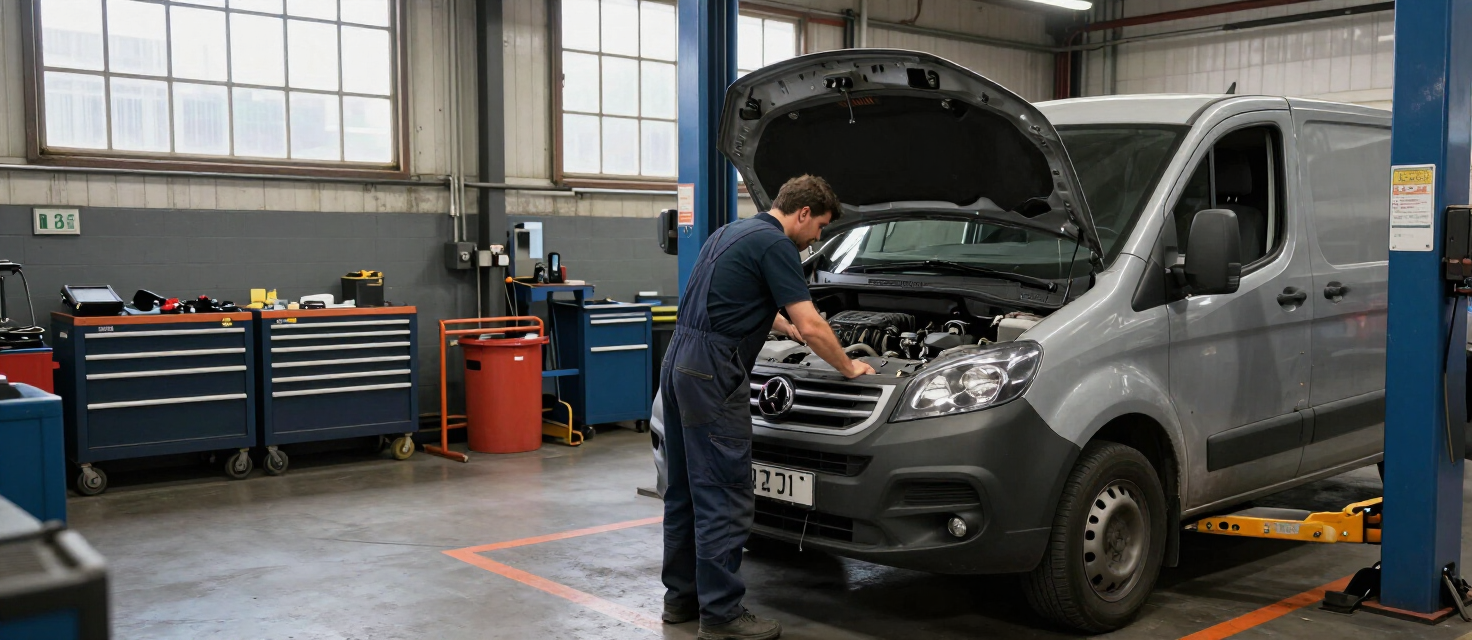
You cannot strip an engine on a driveway, but a disciplined twenty-minute check finds the majority of costly faults. Do it in this order, and always view the car cold.
Insist on a genuinely cold start
A pre-warmed engine hides cold-start rattles, blue smoke from valve stem seals and hard starting. If the bonnet is warm when you arrive, come back another day. This single rule catches more problems than everything else combined.
The static checks
- Oil: level, colour, and any mayonnaise-like emulsion under the filler cap.
- Coolant: level, colour, and any oil film or brown sludge in the expansion tank.
- Intake pipework: pull the intercooler hose if accessible and look for oil pooling.
- Underneath: fresh oil or coolant, and evidence of recent pressure washing around the sump.
- Belts: cracking, glazing and any sign of a belt older than five years.
On the road
Listen at idle before pulling away, then drive under load up a hill in a high gear. Watch the mirror for smoke on acceleration and on the overrun. Check the temperature gauge stabilises and stays stable in traffic. Note whether the fan cuts in.
Paperwork that matters
Dated oil change invoices with the oil specification listed, timing belt or chain evidence, and MOT history from the DVSA service — advisories about smoke, emissions or oil leaks tell a story the seller may not. A big gap in service history on a chain-driven engine is a genuine risk.
When to pay for an inspection
On anything above roughly £6,000, or any diesel with a DPF and an urban history, an independent pre-purchase inspection at £150 to £300 is proportionate. Ask specifically for a fault code scan including pending codes and readiness monitors — recently cleared codes are a red flag.

Written by
Adaeze Fowler CEng MIMechE
Technical reviewer, automotive engineer

Technically reviewed by
Gareth Mullen
Editor and IMI Master Technician (Level 4 Diagnostics)
This guidance is general. It does not replace inspection by a qualified technician on your vehicle. Read our editorial policy for how articles are researched, reviewed and updated.